
Custom Borosilicate Glassware: Design, Properties, and Practical Applications
Borosilicate glass has evolved from a laboratory material into a core component of modern product design. Today, it is widely used in drinkware, kitchenware, lighting, cosmetics, and technical equipment due to its balance of durability, clarity, and thermal stability.
For brands and designers, custom borosilicate glassware offers something more valuable than standard glass products: the ability to control form, function, and user experience at the same time. This guide explains what makes borosilicate glass unique, how customization works, and what to consider when developing your own product.
What Is Borosilicate Glass?
Borosilicate glass is a type of glass composed primarily of silica (SiO₂) and boron trioxide (B₂O₃). This composition gives it a low thermal expansion coefficient, which means it can resist cracking when exposed to rapid temperature changes.
Compared with standard soda-lime glass, borosilicate glass:
- Expands less under heat (about one-third of regular glass)
- Handles temperature differences of around 330°F without breaking
- Offers high chemical resistance to acids and solvents
This combination makes it suitable for both functional and premium consumer products.
Why Custom Borosilicate Glassware Matters
Customization is not only about aesthetics. It directly affects usability, performance, and product positioning.
Key Reasons to Customize
- Product differentiation – Unique shapes and structures reduce market similarity
- Improved usability – Optimized spouts, grips, or dimensions
- Brand identity – Logo integration, surface finishes, and visual consistency
- Application-specific design – Matching lids, filters, or technical components
Because borosilicate glass can be shaped into tubes, containers, or complex assemblies, it allows a higher level of design control compared to many other materials.
Core Properties of Borosilicate Glass
Below is a simplified comparison between borosilicate glass and standard soda-lime glass:
| Property | Borosilicate Glass | Soda-Lime Glass |
|---|---|---|
| Thermal Expansion | ~3.3 × 10⁻⁶ K⁻¹ | ~9 × 10⁻⁶ K⁻¹ |
| Thermal Shock Resistance | High | Low |
| Chemical Resistance | Excellent | Moderate |
| Typical Use | Labware, cookware, premium products | Bottles, windows |
| Durability in Acidic Environments | Strong | Limited |
This table explains why borosilicate glass is often selected for products exposed to heat, chemicals, or frequent use.
Common Applications of Custom Borosilicate Glassware
Borosilicate glass is used across multiple industries due to its versatility.

1. Beverage & Kitchenware
- Coffee servers, teapots, double-wall cups
- Oven-safe containers and measuring jugs
- Heat-resistant storage solutions
2. Laboratory & Scientific Tools
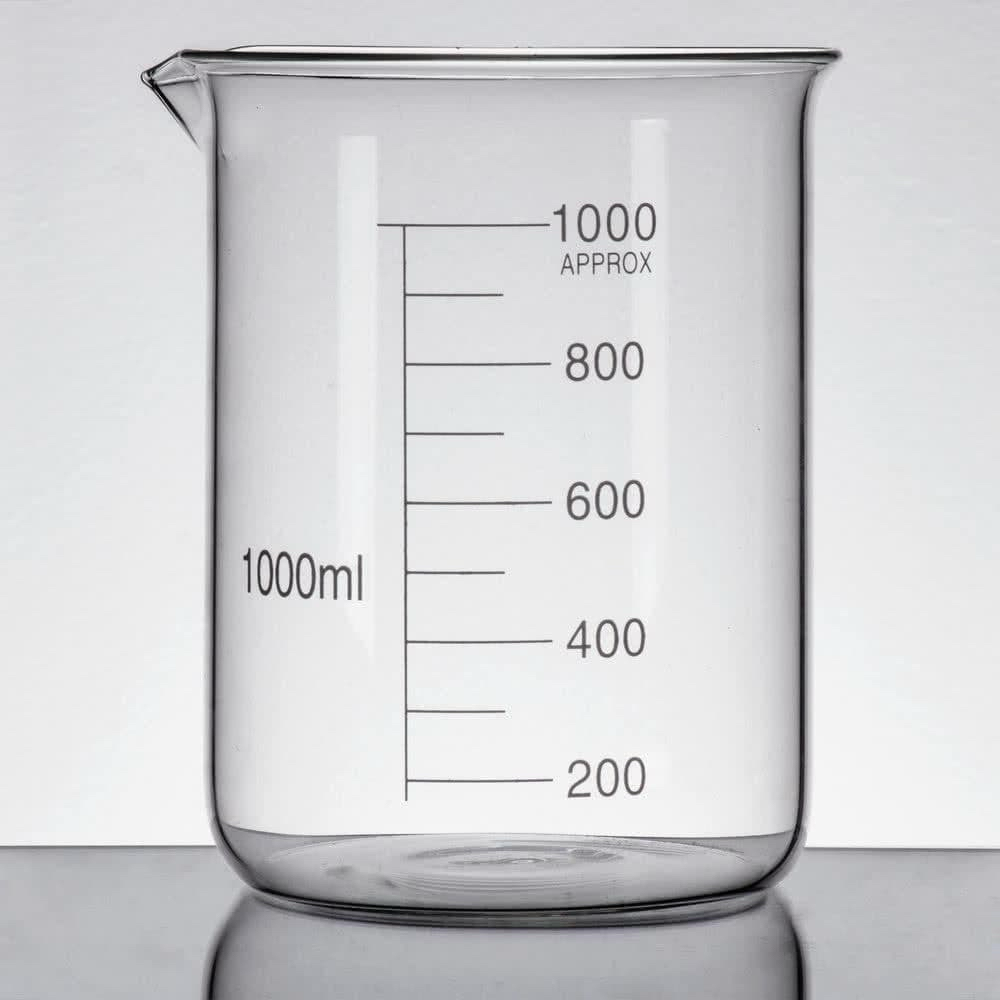
- Beakers, flasks, test tubes
- Reaction vessels and measuring cylinders
- Glass pressure containers and tubing
3. Cosmetic & Fragrance Packaging
- Ampoules and droppers
- Roller bottles and serum containers
- Inner glass structures for premium packaging
4. Lighting & Decorative Products
- Glass lamp covers
- Artistic vessels and display items
- Transparent structural components
5. Industrial & Technical Components
- Sight glasses
- Protective covers
- Transparent chambers for monitoring processes
What Can Be Customized?
Customization can range from simple branding to full structural redesign.
Structural Customization
- Shape (cylindrical, conical, curved)
- Wall thickness
- Capacity and dimensions
- Neck and opening size
- Spouts, handles, and lids
- Double-wall insulation
Surface & Branding Customization
- Printed logos
- Laser engraving
- Frosted finishes
- Color accents
Functional Integration
- Compatibility with silicone, metal, or plastic parts
- Filters or infusers
- Sealing systems
Custom Development Process
A typical custom borosilicate glassware project follows these steps:
1. Concept Definition
Define use case, size, user interaction, and appearance.
2. Technical Feasibility Review
Evaluate whether the design can be produced reliably.
3. Sampling
Create prototypes to test dimensions, usability, and appearance.
4. Testing & Refinement
Adjust based on feedback, including fit with accessories.
5. Production
Finalize quality standards and begin manufacturing.
Advantages of Borosilicate Glass in Product Design
1. Thermal Stability
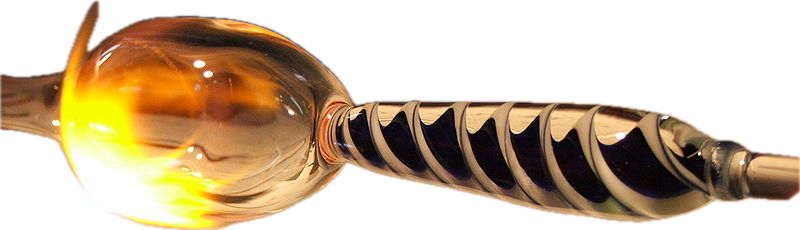
Borosilicate glass withstands rapid temperature changes better than standard glass due to its low expansion rate.
2. Chemical Durability
It resists water, acids, and solvents, making it suitable for demanding environments.
3. Mechanical Strength
It has strong hardness and durability compared to ordinary glass.
4. Optical Clarity
High transparency supports clean and minimal product aesthetics.
5. Design Flexibility
Can be shaped into complex forms without compromising performance.
Challenges in Custom Borosilicate Projects
Despite its advantages, there are practical considerations:
| Challenge | Explanation |
|---|---|
| Design Complexity | Some shapes are difficult to manufacture consistently |
| Lead Time | Custom sampling and adjustments require time |
| Fragility in Logistics | Requires protective packaging |
| Cost Control | Complex designs increase production cost |
| Tolerance Limits | Glass forming introduces slight variations |
Understanding these early helps avoid delays and redesign.
Key Considerations Before Production
Before finalizing a custom design, it is important to check:
- Usage conditions – heat, chemicals, or mechanical stress
- Dimensional tolerance – especially for lids or accessories
- Surface durability – printing, coating, or engraving
- Packaging solution – protection during shipping
- User experience – grip, weight, and balance
These factors directly influence product quality and long-term performance.
Conclusion
Custom borosilicate glassware offers a strong balance between technical performance and product design flexibility. Its resistance to heat and chemicals, combined with its clean visual appearance, makes it suitable for a wide range of applications—from everyday drinkware to precision instruments.
The real value of customization lies in creating a product that is not only functional but also aligned with user experience and brand identity. When designed and manufactured correctly, borosilicate glassware becomes more than just a container—it becomes part of the product’s core value.